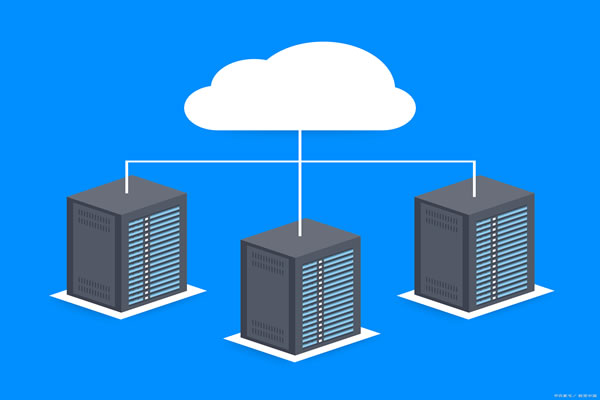
introduction: in response to distributed denial-of-service (ddos) attacks, the design and operation of self-operated computer rooms of hong kong station clusters need to adopt multi-layered and scalable technical means. this article focuses on network architecture, traffic cleaning, routing strategies, application layer protection and emergency response, providing systematic and executable ideas to help improve availability and stress resistance.
network architecture and redundancy design
the self-operated computer rooms of the hong kong station cluster should achieve high network availability through multi-point access, redundant links and distributed switching nodes. the redundant design includes multiple power supplies, physical partitions and cold backup solutions, which can maintain service continuity in the event of single point failure or link congestion and reduce the impact of ddos on business availability.
traffic cleaning and high-defense equipment deployment
deploying traffic cleaning systems and high-defense equipment is the core means to deal with large-traffic ddos. self-operated computer rooms need to combine cleaning centers, black hole strategies and hierarchical processing to realize the identification, isolation and removal of attack traffic, while retaining legitimate requests to ensure normal business access.
bgp anycast and intelligent routing strategies
using bgp anycast and intelligent routing can distribute traffic to multiple nodes and reduce the pressure on a single point. intelligent routing combined with real-time traffic monitoring can automatically switch paths or limit traffic, quickly divert abnormal traffic, and improve the overall anti-ddos resilience and response speed.
distributed rate limiting and session management
implementing distributed rate limiting, connection control, and session timeout policies at the network and application layers can help suppress abnormal concurrency and slow attacks. combined with algorithms such as token bucket and sliding window, it can effectively cut peaks and fill valleys while ensuring user experience.
application layer protection and waf collaboration
for complex attacks at the http/https layer, web application firewall (waf) and behavioral detection should be combined to implement interception based on signatures and abnormal patterns. the linkage between waf and traffic cleaning can more accurately identify attack loads and prevent resource exhaustion and business logic abuse.
logging, monitoring and behavioral analysis
complete log collection and real-time monitoring are crucial to early detection of attacks. through traffic characteristic analysis, baseline comparison and machine learning-assisted detection, the anomaly recognition rate can be improved and data support can be provided for post-event evidence collection and strategy optimization.
emergency response process and drill mechanism
establish clear emergency response procedures, linkage mechanisms and drill plans to ensure that cleaning, traffic scheduling and notification mechanisms can be quickly initiated after an attack is discovered. regularly drill and adjust sla and recovery strategies to help shorten fault recovery time and optimize protection effects.
compliance and operational security practices
self-operated computer rooms need to take into account compliance requirements and operation and maintenance security in the protection design, including permission separation, patch management and backup strategies. through strict operation and maintenance specifications and change management, human risks can be reduced and the stable operation of the protection system can be ensured.
summary and suggestions: when responding to ddos attacks, security protection self-operated computer rooms of the hong kong station group should adopt a strategy that combines multi-layer protection, scalable architecture and normalized drills. it is recommended to prioritize building traffic cleaning and routing redundancy capabilities, improve monitoring and emergency procedures, and continue to optimize rules based on data to ensure long-term stable availability of the business.
- Latest articles
- Popular tags
-
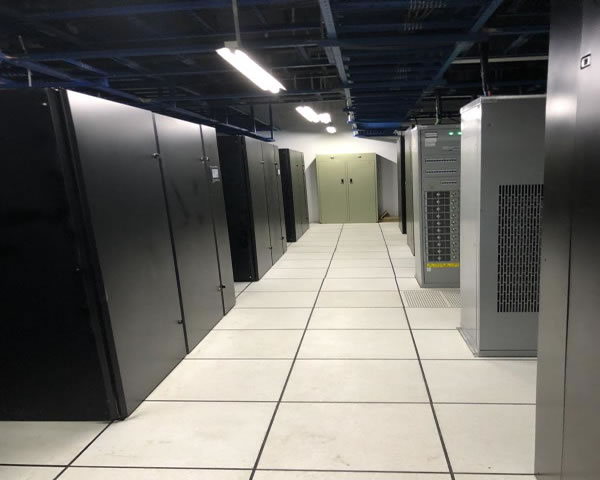
Cn2 Detailed Analysis Of Hong Kong Line Types And Return Quality
detailed analysis of cn2 hong kong line types and backhaul quality, covering backbone direct connection, optimized backhaul, international transfer, backhaul evaluation indicators and line selection and monitoring suggestions, to help enterprises and operators make wise choices. -
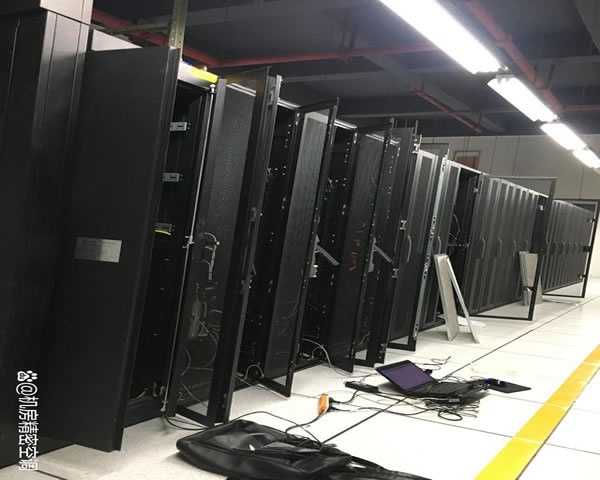
Recommendations Of High-Quality Data Centers In Hong Kong And Detailed Service Contents
This article provides a detailed introduction to recommended high-quality data centers in Hong Kong and their service offerings, helping businesses choose the appropriate data center solutions. -

Comparative Test On Packet Loss Between Hong Kong Return Cn2 And Ordinary Return Lines
a comparative test on the packet loss performance of hong kong's backhaul cn2 line and ordinary backhaul lines, including test environment, methods, result interpretation and optimization suggestions to help choose a suitable backhaul solution.